February 6, 2026
Creating a healthy, beautiful, and easy-to-maintain garden starts with understanding the foundational elements that support plant growth. While many homeowners focus on plant selection, watering schedules, or fertilizer types, one essential component often gets overlooked: mulch. This simple yet powerful material can dramatically influence the health, appearance, and longevity of your landscape. From improving soil structure to controlling weeds and enhancing curb appeal, choosing the right mulch plays a major role in shaping your outdoor spaces.
This blog explores the most important considerations for selecting mulch, the benefits of different varieties, and how proper application can elevate your garden’s overall performance. Whether you have a small backyard garden or a sprawling landscape, understanding your mulch options will help you create an environment that thrives season after season. Be sure to consult a gardening professional before applying mulch to your property.
Understanding the Purpose and Benefits of Mulch
Before choosing the right product, it is important to understand what mulch does and why it matters. Mulch provides a protective layer over soil, helping plants survive harsh weather conditions while improving soil health over time. As temperatures fluctuate throughout the year, mulch acts as insulation, protecting plant roots from extreme heat and cold. This temperature regulation creates a more stable environment for plant growth and helps maintain the soil’s natural moisture balance.
Another major benefit of mulch is weed control. By covering the soil surface, mulch reduces the sunlight available to weed seeds, suppressing their growth. This means fewer intrusive plants competing for nutrients, water, and oxygen. Mulch also prevents soil erosion, particularly on slopes or areas exposed to heavy rainfall. Reducing runoff, it helps keep valuable nutrients in place so your plants receive the most benefit.
In addition to the functional advantages, mulch significantly improves the visual appeal of your landscape. Whether you prefer natural wood chips, dyed varieties, or stone-based options, mulch gives garden beds a clean, finished appearance that highlights your plants and enhances curb appeal.
Comparing Organic and Inorganic Mulch Options
When selecting the best product for your landscape, you will encounter two primary categories: organic and inorganic mulch. Understanding the strengths of each will help you make a more informed choice.
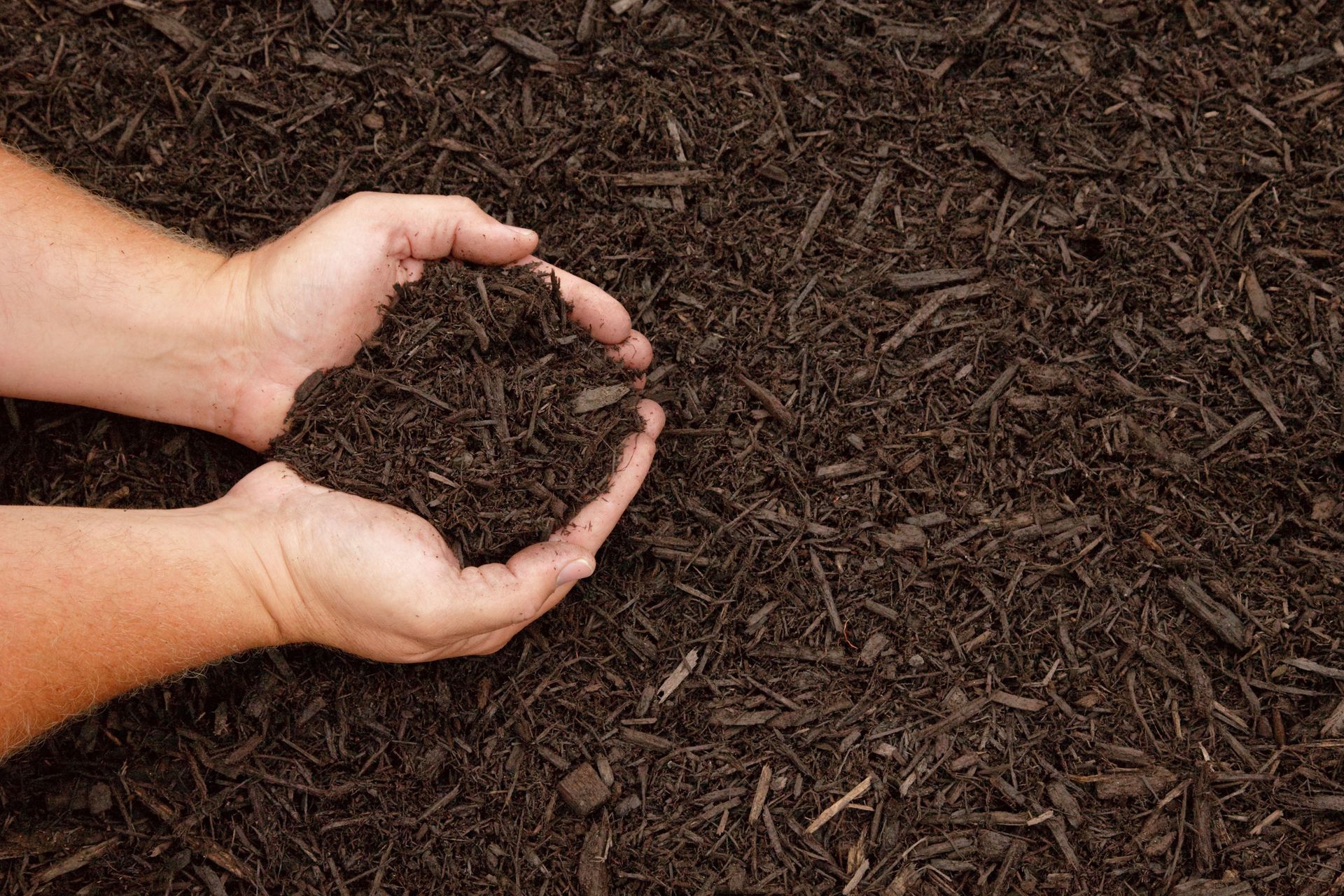
Organic mulch includes materials such as shredded bark, wood chips, pine needles, and compost. These mulches decompose over time, adding organic matter to your soil. This natural breakdown improves soil structure, nutrient content, and water retention. Organic mulch is ideal for homeowners who prioritize sustainability and soil health. It also tends to be more visually appealing and cost-effective compared to many inorganic options.
Inorganic mulch includes materials like rubber, gravel, and landscape fabric. These mulches do not decompose and often require less frequent replacement. They are excellent choices for long-term, low-maintenance applications such as pathways, playgrounds, or high-traffic spaces. While inorganic mulch does not enhance soil fertility, it offers exceptional weed control and durability.
Both categories offer significant benefits, and the best choice depends on your garden’s goals. By identifying your priorities, you can select the mulch that offers the best long-term value and performance.
Evaluating Mulch Based on Plant and Soil Needs
Not all mulch types serve the same purpose, and choosing the wrong one could impact your plants’ health. Acid-loving plants such as azaleas, blueberries, and hydrangeas respond well to pine needle mulch because it gradually lowers soil pH. Hardwood or bark mulch works well for general garden beds, offering durability and slow decomposition that enriches the soil.
Your soil type also matters when choosing mulch. Sandy soils benefit from heavier organic mulches that improve moisture retention. Clay soils respond better to lighter, more porous options that promote air circulation. Stone mulch may be ideal for drought-tolerant plants that thrive in dry, rocky environments.
By aligning mulch properties with your plant and soil needs, you create a more supportive environment that encourages long-term growth and resilience.
Applying Mulch Correctly for Maximum Impact
Proper application is just as important as selecting the right material. Mulch that is too thin may not suppress weeds or retain moisture, while mulch that is too thick can suffocate plant roots and encourage rot. One of the most important application guidelines relates to depth. According to HomeAdvisor.com, the recommended mulch depth is between two to three inches. This depth range creates the ideal balance between plant protection and soil breathability.
When applying mulch, start by removing weeds and debris from the area. Spread the mulch evenly over the soil, and avoid piling it directly against plant stems or tree trunks. Excess mulch in these areas can trap moisture, which can cause rot or attract insects. Instead, leave a small gap around the base of each plant to allow proper air circulation.
Mulch should also be refreshed periodically to maintain its effectiveness. Organic mulches slowly break down over time, so adding a light top layer once a year will restore depth and function.
Considering Color, Texture, and Aesthetic Preferences
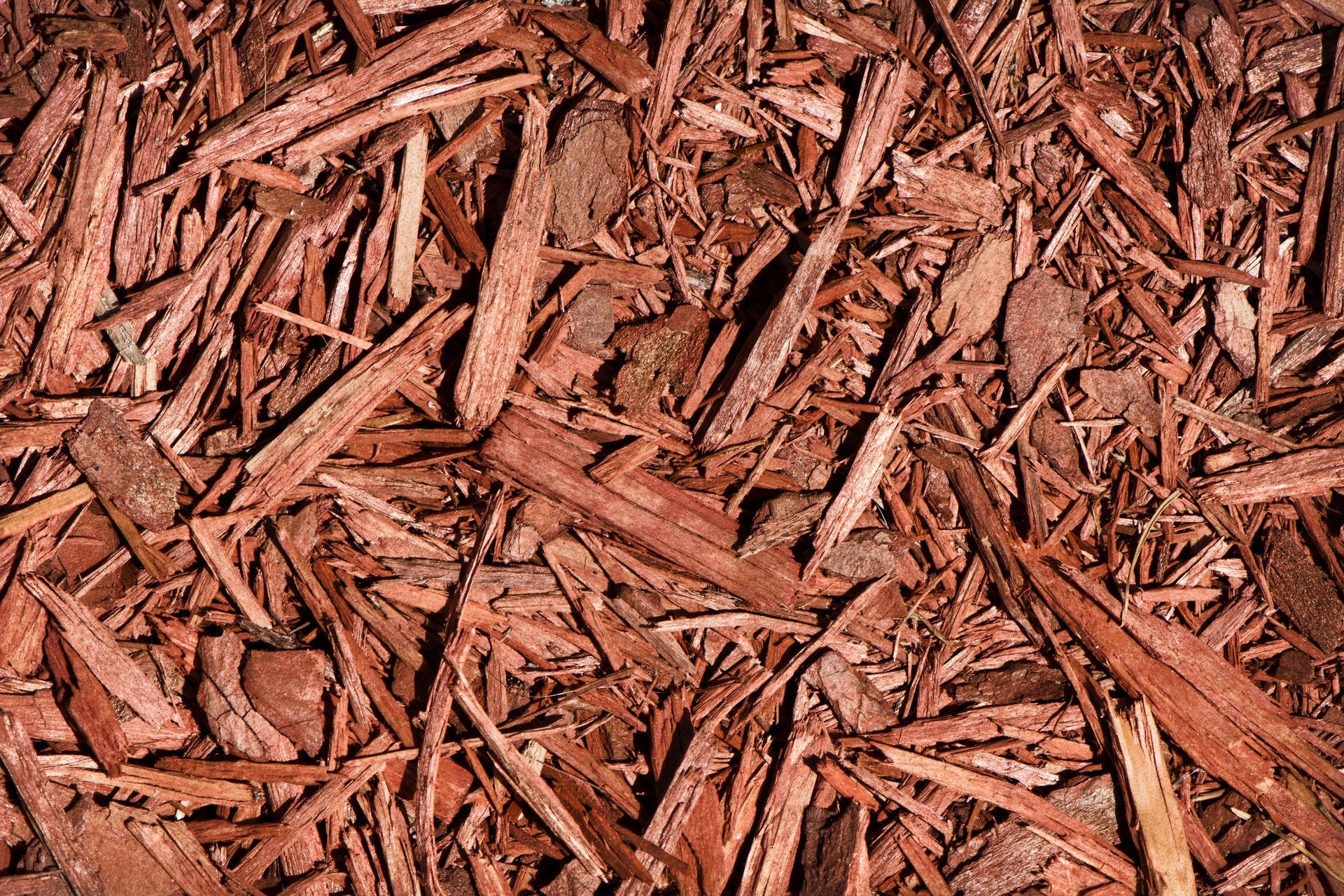
Beyond its functional advantages, mulch plays an important role in your landscape’s overall appearance. Mulch color can dramatically impact how your garden beds look. Natural brown and black mulches offer a classic appearance that complements most gardens, while dyed mulches create bold contrast and highlight specific landscape features.
Texture is another key consideration. Fine shredded mulch creates a smooth, refined look that works well in formal landscapes. Chunkier wood chips provide a more natural and rustic feel. Stone mulch introduces structure and elegance to modern landscapes and comes in a wide range of colors to suit your home’s exterior.
Selecting mulch that fits your style helps create a cohesive, visually appealing landscape that enhances the look and feel of your outdoor spaces.
Extending Mulch Benefits Throughout the Year
The benefits of mulch extend through every season. In summer, mulch keeps soil cool and reduces water evaporation, allowing plants to hold moisture during hot weather. In the fall, mulch protects roots during seasonal transitions. In winter, mulch insulates the soil, helping perennials survive freezing temperatures.
Mulch also helps suppress weed growth year-round. Because weeds can emerge in any season, keeping a consistent mulch layer reduces the number of weeds that develop. This means less manual work and fewer chemical treatments, giving you a cleaner and more sustainable landscape.
Mulch even helps improve compacted soil. As organic mulch breaks down, it improves soil structure and aeration, which benefits plant growth in every type of garden.
The right mulch choices can completely transform your garden’s health, performance, and appearance. From supporting plant growth to improving soil structure and creating a polished, attractive landscape, mulch is one of the most effective tools available to gardeners. By understanding your soil conditions, selecting the proper mulch type, and applying it correctly, you can create an outdoor environment that thrives throughout the year. With the right approach, mulch becomes more than a simple ground covering. It evolves into a long-term investment in the health, beauty, and resilience of your landscape. Whether you want stronger plants, fewer weeds, or a cleaner and more organized garden design, thoughtful mulch choices make all the difference.
If you are ready to enhance your garden with high-quality mulch and professional guidance, reach out to Payne Mulch and Soil, LLC today. We look forward to hearing from you!